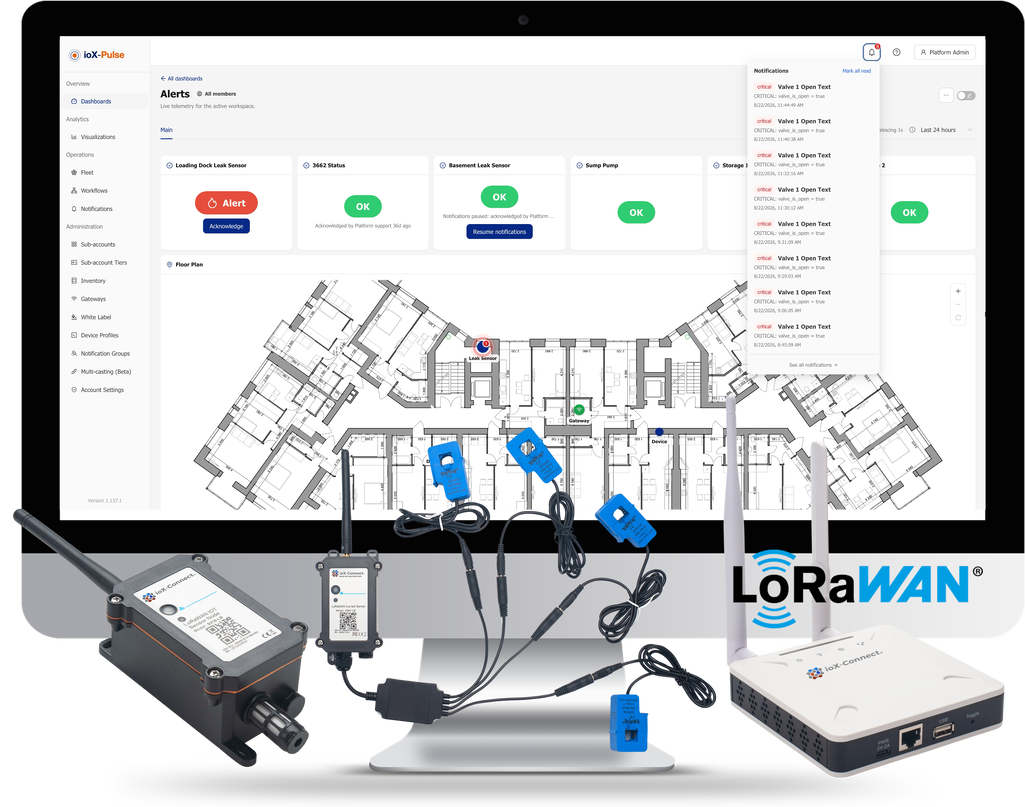
Industrial sensors, gateways and controls that report into ioX-Pulse

LoRaWAN Sensors and Devices

Pulse-Platform-Floor-Plan-an-Devices-1
Industrial sensors, gateways and controls that report into ioX-Pulse

LoRaWAN Sensors and Devices for Industrial IoT

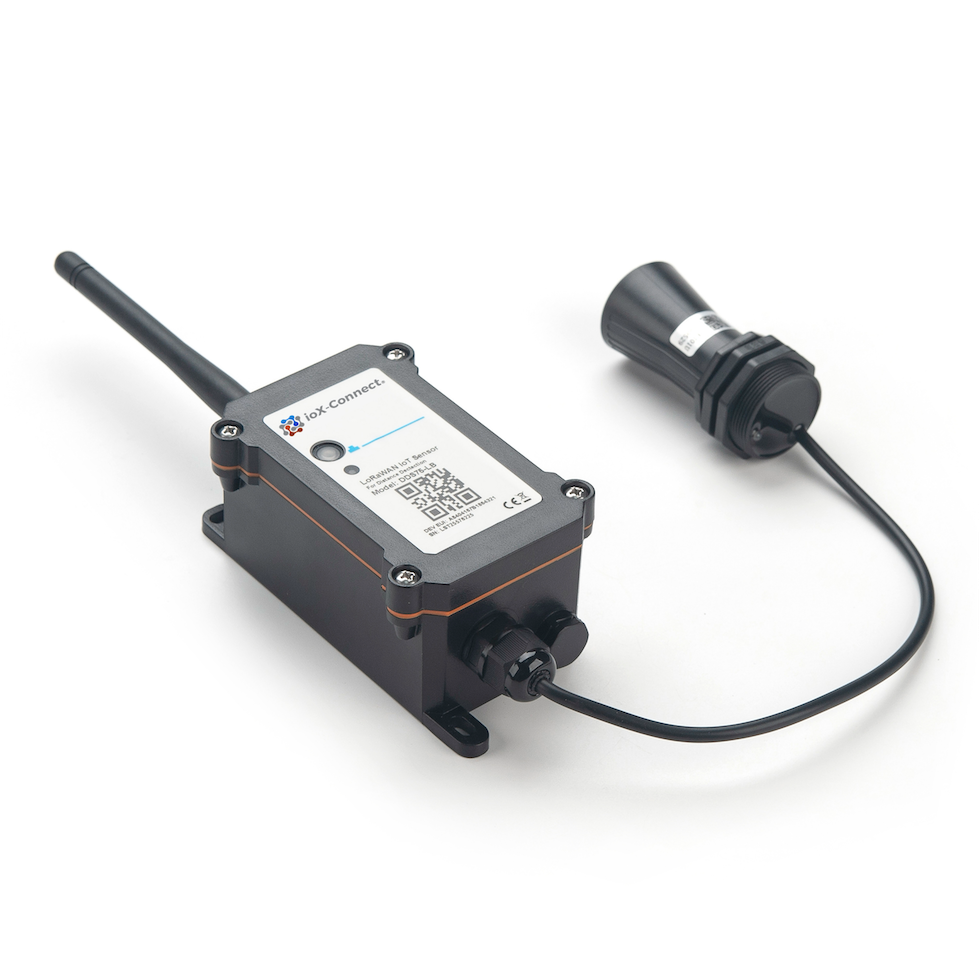
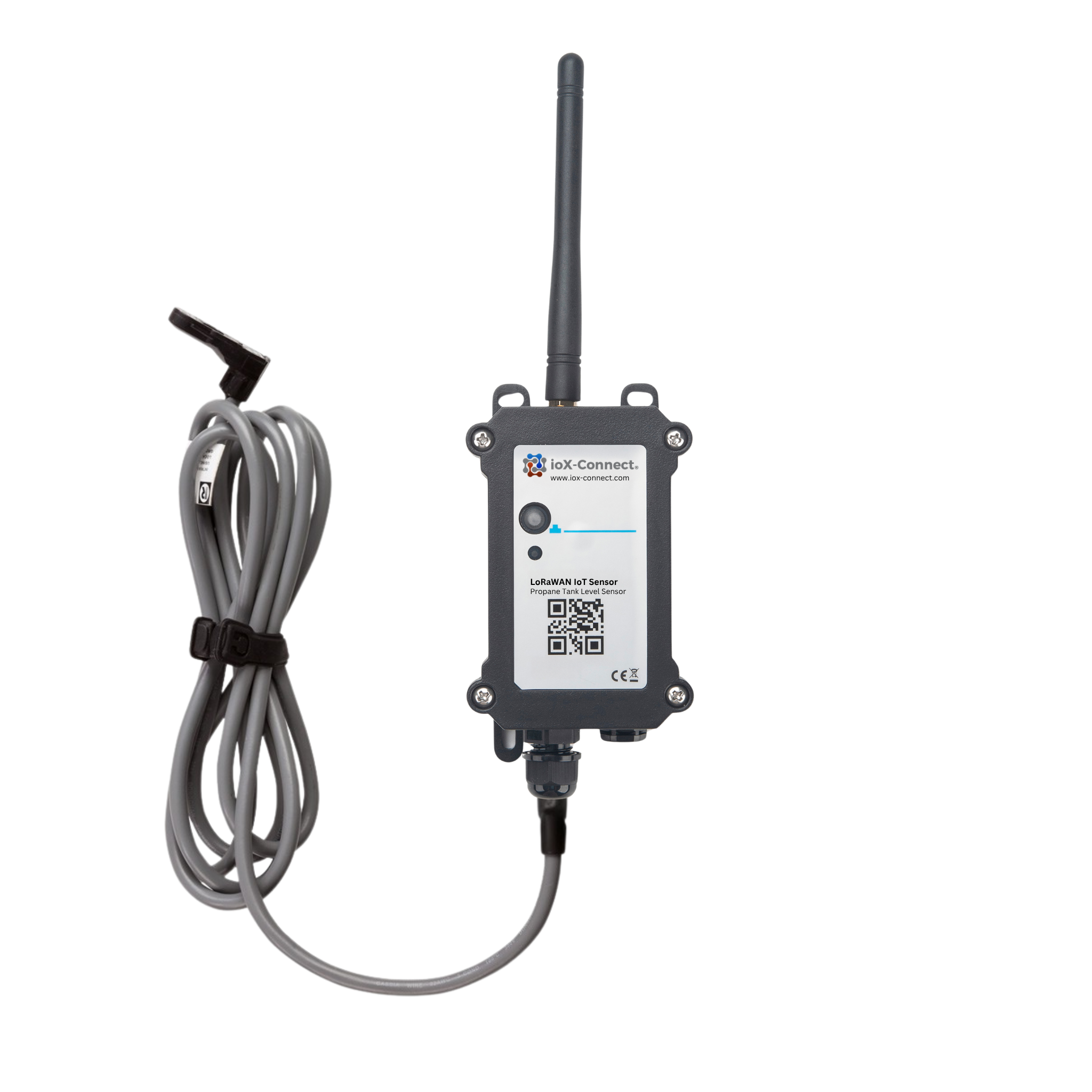
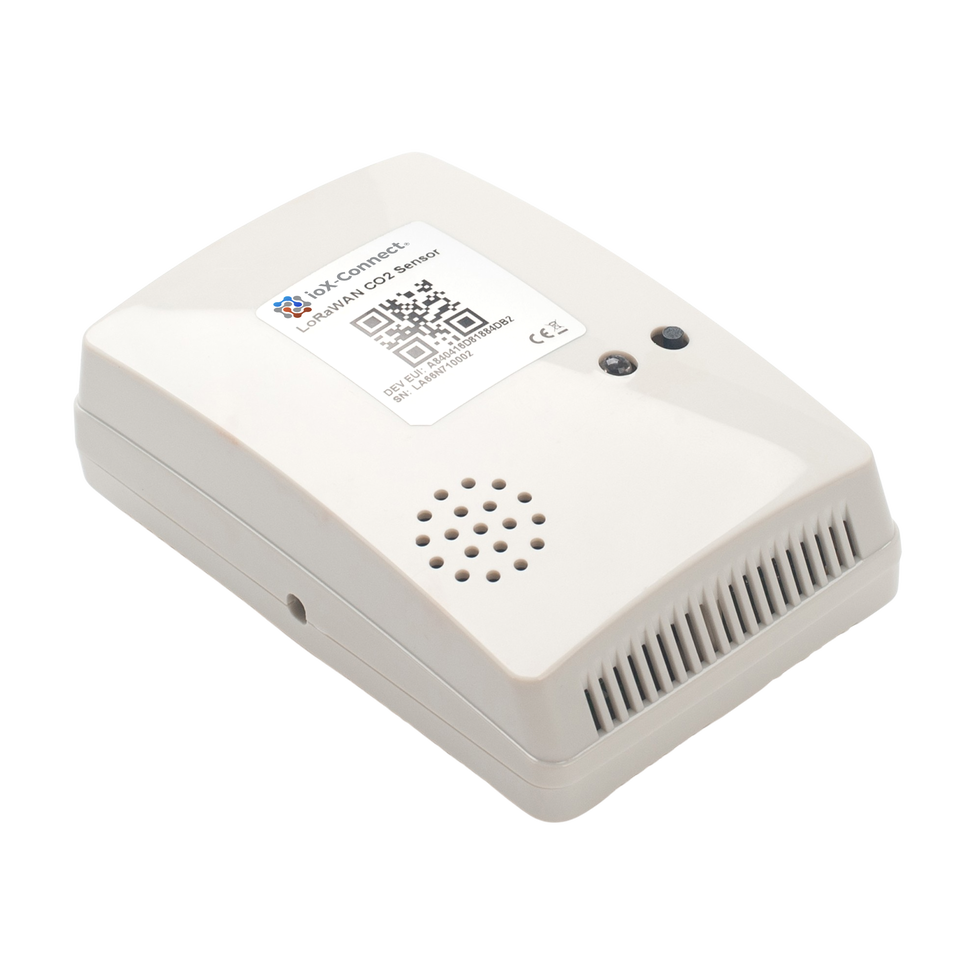
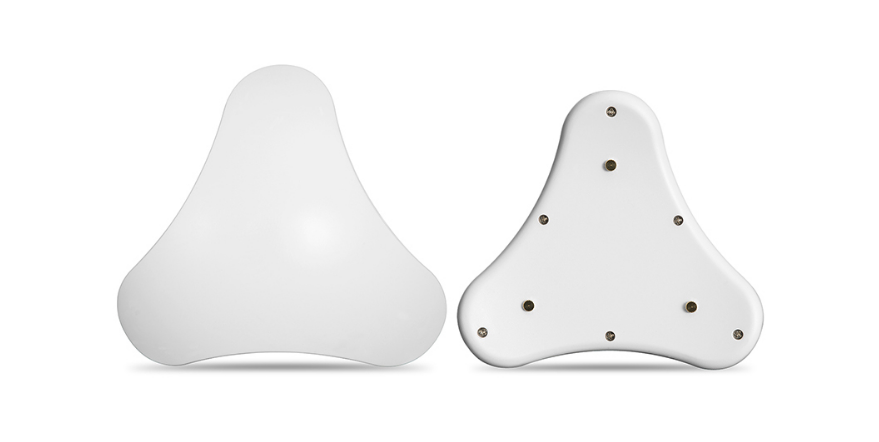
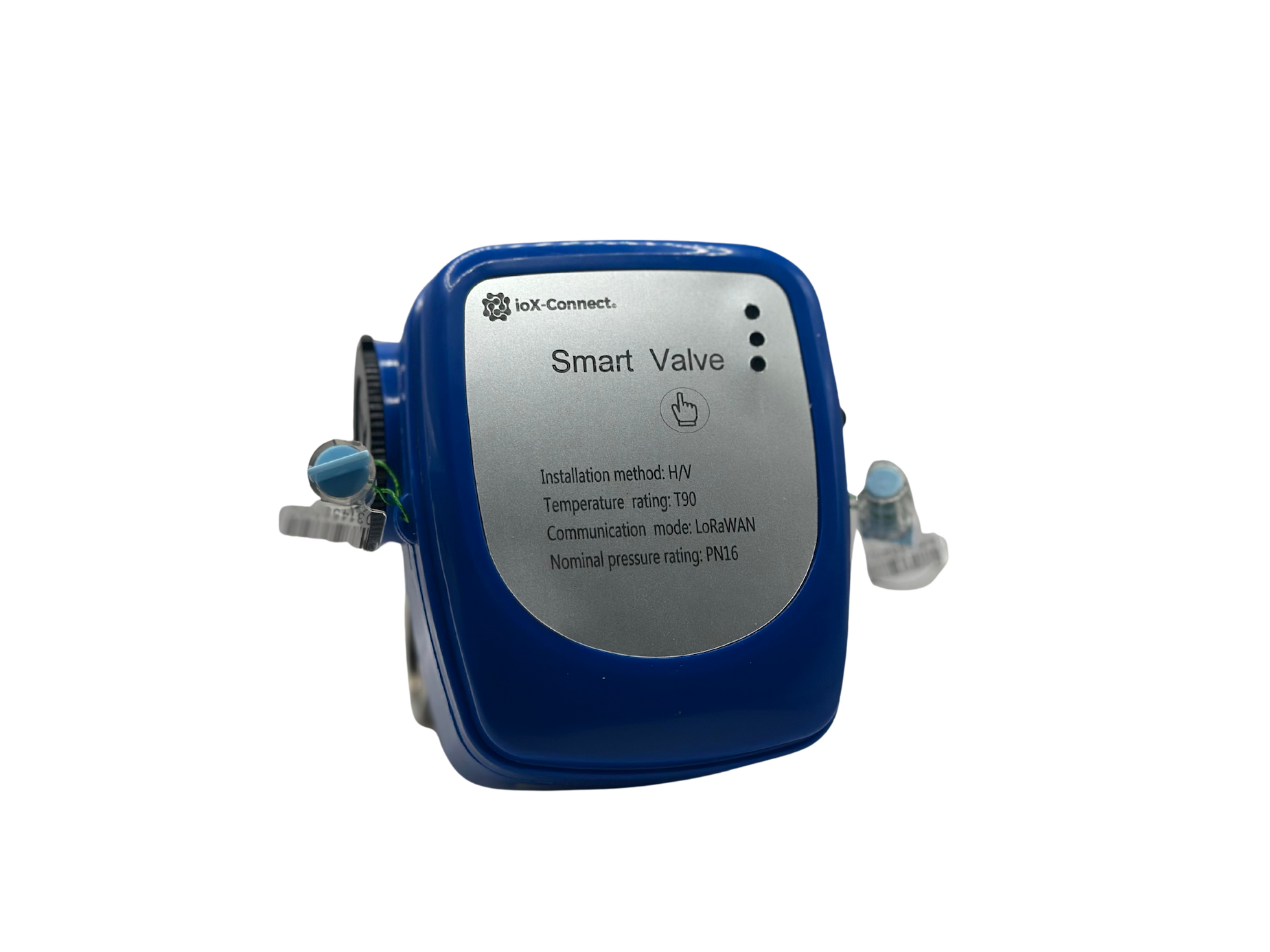
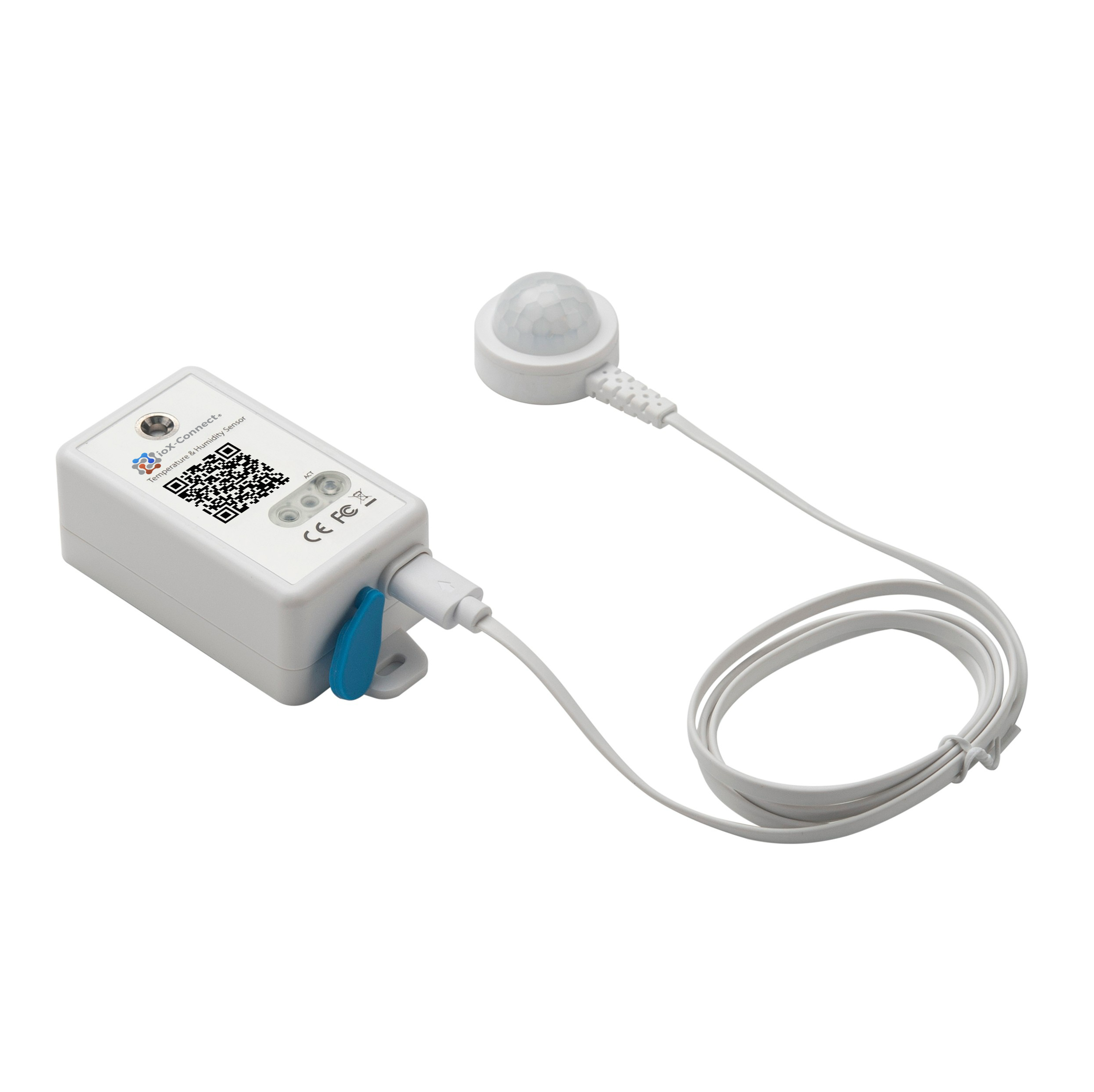
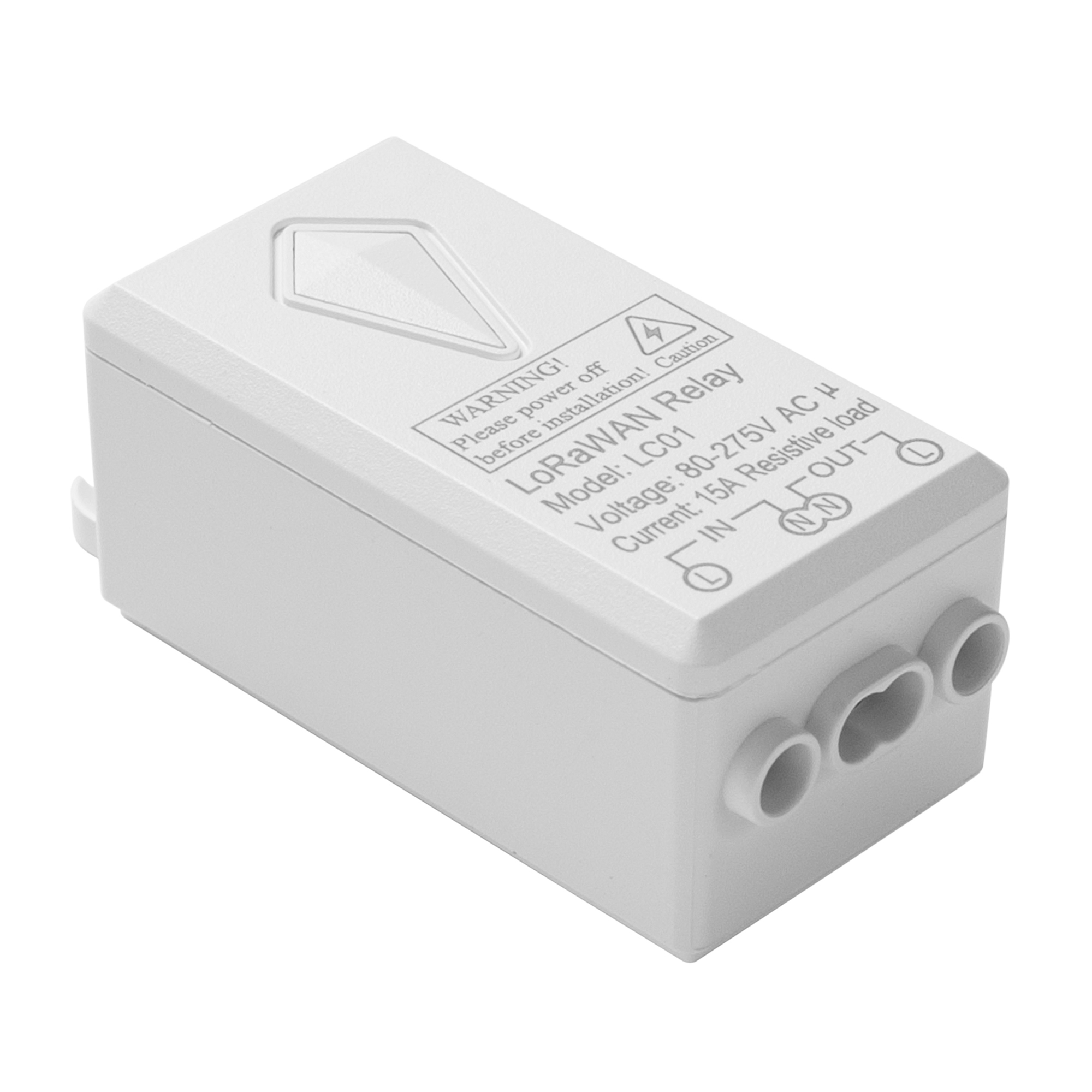
ioX-Connect sells LoRaWAN sensors and devices for industrial and commercial monitoring: temperature, humidity, water leak, distance and level, air quality, pressure, flow and current sensors, plus the smart valves, relays and gateways that complete a deployment. They run on open-standard LoRaWAN networks, so a battery-powered sensor reaches a gateway up to 10 km away in open terrain and several kilometers across a city or campus. Every device reports into ioX-Pulse, the IoT platform for LoRaWAN dashboards and alerts, where you watch live dashboards and receive alerts by email and SMS, through a gateway you already own or one of ours.

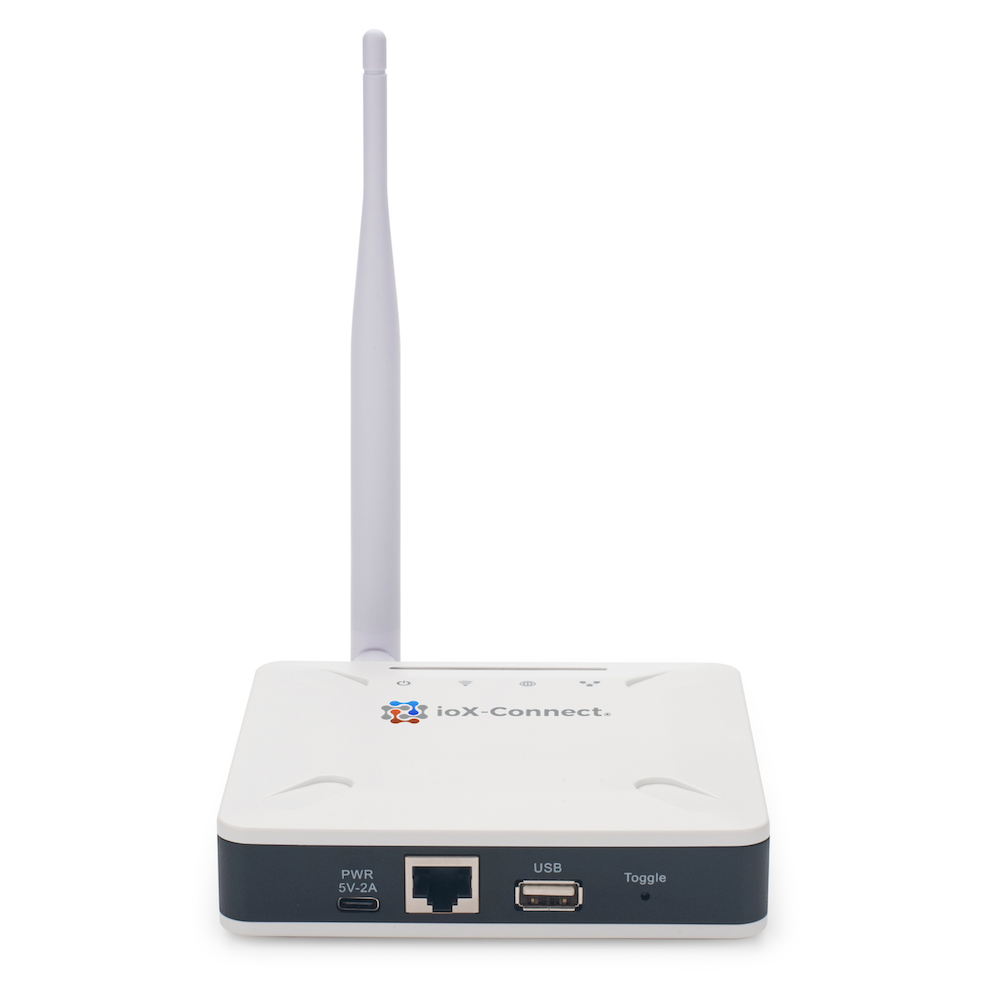
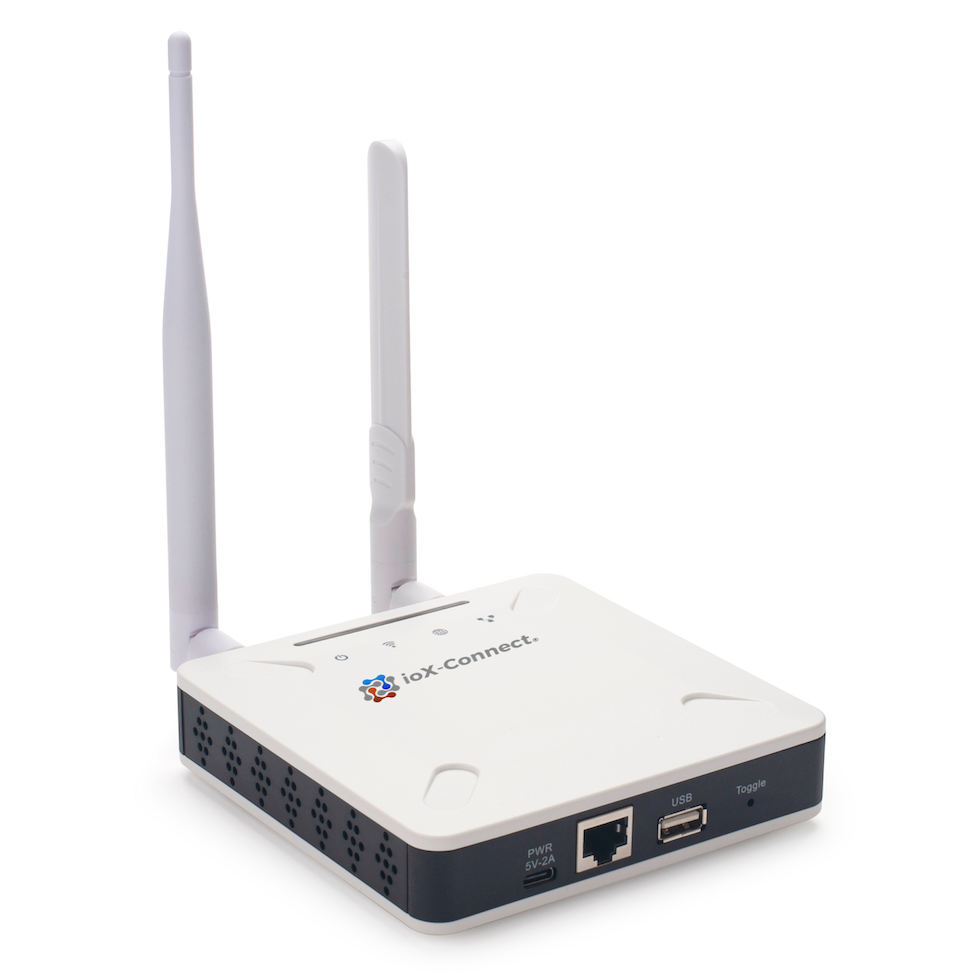
ioX-Connect gateways ship pre-provisioned and already connected to the network server, so sensors join and appear on your dashboard without manual setup. Browse by category below, or start with the guides if you are still deciding whether LoRaWAN is the right network for your site.

  • Network: open-standard LoRaWAN, with US915 for United States deployments and the other regional bands listed on each product page
  • Range: up to 10 km in open rural terrain, several kilometers in urban or obstructed sites, with no line of sight required
  • Battery life: 5 years or more on typical sensors, depending on reporting interval and conditions; each product page states its own figure
  • Security: AES-128 encryption at both the network and application layers of the LoRaWAN stack
  • Capacity: hundreds to thousands of sensors per gateway, depending on how often they report
  • Platform: live dashboards, alerts by email and SMS, and public dashboard links in ioX-Pulse; plans start at $25 per month

How to choose. LoRaWAN trades data rate for range and battery life, which suits sensors that send small readings a few times an hour. Start with our guide to what LoRaWAN is and where it fits, then read how LoRaWAN works, from device uplink to network server, and compare LoRaWAN with NB-IoT and other low-power networks before you commit a site to either.

Already have LoRaWAN gateways? You do not need to replace them. Connect your own gateways to ioX-Bridge, the LoRaWAN network server, and your existing coverage carries the sensors on this page straight into ioX-Pulse.

Our Customers

Trusted by customers across multiple industries

Tomra Full logo
ProFrac Logo
FTSI-logo
Consulmet logo
pacific_northwest_national_laboratory
Axium Logo
Urban Property Management_Logo
NetLink-logo-final
Cosway
USWS_BIG
Filtrine
Colt Energy
Northern Michigan University_Logo
WLS Lighting Logo
Unlock Efficiency and Safety: The Strategic Advantages of Wireless Sensors

Key Benefits of Implementing LoRaWAN Devices and Sensors

Ultra-Long Range Connectivity
Achieve reliable, bidirectional communication up to 10 km in rural areas—and several kilometers in cities—reducing gateway requirements and infrastructure costs while ensuring coverage across wide-area deployments.

Multi-Year Battery Life
Designed for ultra-low power consumption, LoRaWAN sensors deliver 5+ years of battery life in typical use cases, minimizing maintenance visits and total cost of ownership for remote or hard-to-reach installations.

Plug-and-Play Integration
Whether you choose our in-house modules or device from other LoRaWAN manufacturers, OTAA provisioning and zero-touch onboarding to ioX-Connect means secure, instant connectivity with automatic over-the-air firmware updates—no manual configuration required.

Enterprise-Grade Security
End-to-end AES-128 encryption at both the network and application layers, combined with role-based access controls in ioX-Connect, protects sensitive sensor data from interception or tampering.

Real-Time Alerts & Scalable Deployment
Configure dynamic thresholds for temperature, vibration, pressure, and more, then receive instant notifications via email, SMS, or webhook. Scale effortlessly from dozens to thousands of endpoints per gateway across multiple sites—without network reconfiguration.

Optimize Operations and Uncover New Opportunities

LoRaWAN sensors deliver more than just data—they provide the real-time insight needed to reduce operational waste, prevent costly downtime, and unlock new areas of efficiency. With a robust wireless network, you can automate monitoring across facilities, streamline compliance reporting, and stay ahead of maintenance issues before they escalate.

From industrial automation to smart agriculture, asset tracking to environmental monitoring, wireless sensors empower you to make informed decisions and respond proactively—no matter your industry. The result? Lower operational costs, minimized risk, and a platform for innovation that scales as your needs grow.

FAQs

Frequently Asked Questions About LoRaWAN Sensors and Devices

These are the questions that come up when someone compares LoRaWAN sensors for the first time: what the terms mean, how far the radios reach, and what else you need to buy. Each answer opens with the direct answer. If yours is not here, email sales@iox-connect.com.

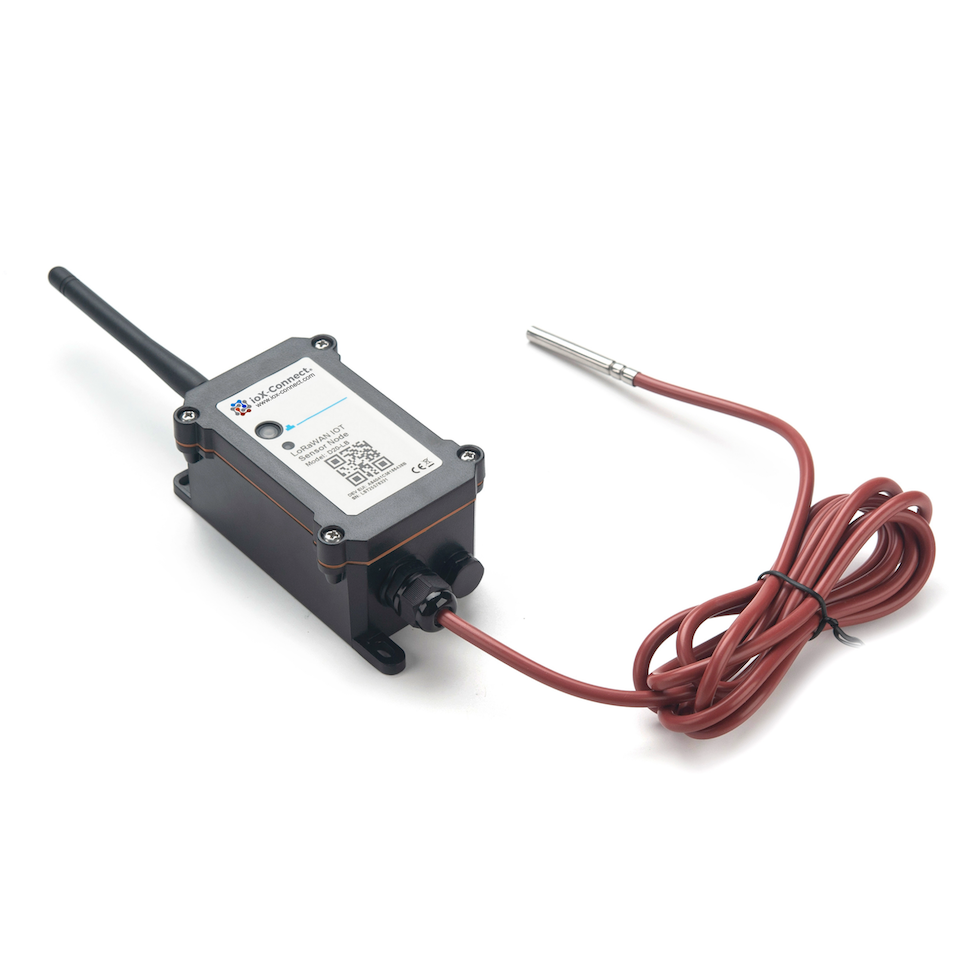
LoRaWAN sensors are battery-powered wireless sensors that send small readings, such as temperature, humidity, water presence or tank level, over the LoRaWAN radio protocol to a gateway several kilometers away. Because they transmit briefly and infrequently, a typical sensor runs 5 years or more on its battery. ioX-Connect sensors report into ioX-Pulse, where each reading appears on a dashboard and can trigger an alert.

They overlap. In the LoRaWAN specification, an end device is any node that talks to a gateway: a sensor that only reports, or a controller such as a relay or valve that also accepts commands. A LoRaWAN sensor is an end device that measures something. LoRaWAN device is the everyday term that covers all of them, and often the gateways too, which is why this page is organized by what each device measures or controls rather than by the term.

Enclosure rating, operating range and interface. Industrial models on this page carry IP66 enclosures for wet or dusty locations, wider operating temperature ranges, and interfaces for the equipment you already have, such as 4-20 mA analog inputs, thermocouples and pulse inputs from meters. Commercial models are built for indoor spaces. Each product page states its rating, so you can match the device to the location.

A gateway, the sensors, and a platform. One gateway connected to the internet by Ethernet or cellular covers a building or campus and supports hundreds to thousands of sensors, depending on how often they report. ioX-Connect gateways ship pre-provisioned and already connected to the network server and ioX-Pulse, so a first deployment is one gateway, a handful of sensors and an ioX-Pulse plan.

Up to 10 km in open rural terrain and several kilometers in urban or obstructed sites, without line of sight. Sub-GHz LoRa signals pass through walls and around obstacles better than 2.4 GHz Wi-Fi or Bluetooth. Sensors do not relay for each other; each one reaches a gateway directly, so coverage is a question of gateway placement rather than a sensor mesh.

Yes. LoRaWAN is an open standard, and ioX-Pulse accepts any standards-compliant LoRaWAN gateway, so you can keep the gateways you own and connect them to ioX-Bridge, the LoRaWAN network server. Sensors from other manufacturers can run on ioX-Pulse on plans that include External Sensor Integration; send us the model and we will confirm.

LoRaWAN (Long Range Wide Area Network) is a low-power, long-range wireless protocol designed for IoT applications. It operates in sub-GHz bands to provide kilometers of coverage on a single battery charge, unlike Wi-Fi or Bluetooth which trade range for higher data rates. Check out our What is LoRaWAN Guide.

A pre-provisioned LoRaWAN gateway like those offered by ioX-Connect takes the heavy lifting out of deployment:

  • Out of the box, it’s ready to go—network configuration, security keys, and app integrations are already handled.
  • Sensors join seamlessly with zero manual pairing and instantly appear in your dashboard.
  • You bypass all the headache of linking the gateway to the network server and integrating that with your IoT platform—everything is connected from the start.

On the flip side, gateways that aren’t pre-provisioned require a fair bit of manual setup. Expect to:

  • Spend extra time configuring network details, authentication, and server connections.
  • Tackle every integration step yourself, with potential troubleshooting along the way.
  • Take on additional security configuration responsibilities to ensure safe device communications.

In short: pre-provisioned gateways dramatically accelerate setup, minimize IT effort, and let you focus on scaling your deployment rather than wrestling with infrastructure.

Thanks to ultra-low-power modulation, most LoRaWAN sensors last 5 years or more on a standard lithium battery, depending on reporting frequency and environmental conditions. Actual battery life can vary based on several factors—including the sensor type, data transmission interval, and the battery's capacity. LoRaWAN’s efficient power management and support for low-power modes mean many devices can operate on battery power for years at a time. In real-world deployments, it's not uncommon for properly configured sensors to keep running for 5, 10, or even more years without needing a battery change, making LoRaWAN ideal for long-term, low-maintenance installations. For sensor specific battery life, check out our LoRaWAN hardware catalog.

LoRaWAN uses AES-128 encryption at both the network (NwkSKey) and application (AppSKey) layers. Combined with ioX-Connect’s role-based access controls, this ensures end-to-end protection and prevents unauthorized data access.

How LoRaWAN Keeps Data Secure

The LoRaWAN security stack is built on top of LoRa modulation (PHY) and adds a robust security layer with unique device identity, authentication, and authorization for every sensor and gateway. Symmetric AES-128 keys—defined in the IEEE 802.15.4/2006 Annex B—are generated for each device. The Network Session Key (NwkSKey) encrypts network-related messages, while the Application Session Key (AppSKey) encrypts application-specific data, so only your application ever sees the payload.

Importantly, LoRaWAN gateways operate much like routers: they securely forward data between devices and the cloud using protocols such as DTLS, TLS, or VPN, but never decrypt or access your data or keys. This architecture ensures that your sensor data remains private and protected end to end, even as it travels across public or shared infrastructure.

Yes. LoRaWAN is an open standard, so you can deploy most LoRaWAN gateways and devices alongside other ioX-Connect certified sensors—our platform ensures seamless, zero-touch integration regardless of the vendor. Alternatively ioX-Connect offers our own range of affordable LoRaWAN Gateways and Devices. Please reach out to us at: sales@iox-connect.com to find out if the LoRaWAN devices you are considering is certified for use in our platform.
LoRaWAN excels in scenarios requiring wide-area coverage and infrequent small data packets, such as environmental monitoring (temperature, humidity, air quality), predictive maintenance (vibration, pressure), and asset tracking in agriculture, smart buildings, and industrial settings.
A single gateway can handle hundreds to thousands of sensors, depending on reporting intervals and network traffic. This star-of-stars architecture scales easily as you add endpoints. Reach out to our sales team at: sales@iox-connect.com if you need specifics or check out our range of LoRaWAN Gateways.

Absolutely. You can update configuration parameters—such as reporting intervals or thresholds—by sending a downlink command from the ioX-Connect platform to your device over the network. We've made it very simple and easy for users of the ioX-Connect platform to do this. Every sensor in your account will show sensor specific settings that can be applied to your device, there is no need for you to worry about any technical reference guides or documentation or needing to understand how uplinking/ downlinking works or what payload formatters are. ioX-Connect takes care of all of that for you. There is also no need for physical access; you manage and fine-tune your sensors anytime, anywhere through the portal.


You need at least one LoRaWAN gateway connected to the internet (Ethernet, Cellular or Wi-Fi) and the ioX-Connect platform. From there, you can expand coverage with additional gateways, all managed centrally through our platform.

Pre-Provisioned vs. Manual Setup: What’s the Difference?

Without a Pre-Provisioned Gateway:

  • Configuration can be time-consuming and complex.
  • Requires manual connection of the gateway to a network server.
  • You’ll need to manually link the network server to your IoT platform or application.

With a Pre-Provisioned Gateway:

  • The LoRaWAN network is included for you.
  • Sensors connect automatically to the gateway—no extra steps needed.
  • The network server is already integrated with your app, so you’re ready to deploy right away.

This streamlined setup helps you scale from pilot to production quickly, letting you focus on your data—not infrastructure hurdles.

Most LoRaWAN sensors are designed to transmit data wirelessly and do not function as mini databases. However, some devices do have a small amount of internal memory to temporarily store (or “buffer”) data when network connectivity drops out. This means they can hold onto a batch of measurements and forward them when the connection resumes. ioX-Connect do offer this on some of our LoRaWAN devices, to find out more please reach out to our team at: sales@iox-connect.com

That said, sorting or organizing data internally is not typically part of a LoRaWAN device’s job description—those tasks are handled by your IoT platform or cloud application like ioX-Connect after data arrives. Extracting data directly from the device hardware is uncommon and usually restricted by security protocols to keep your information safe.


Looking to get a sense of what you’ll invest in your first few devices? Here’s a quick overview of typical price ranges across LoRaWAN device categories so you can budget smarter (you can also download the ioX-Connect LoRaWAN Catalog for some price ranges:

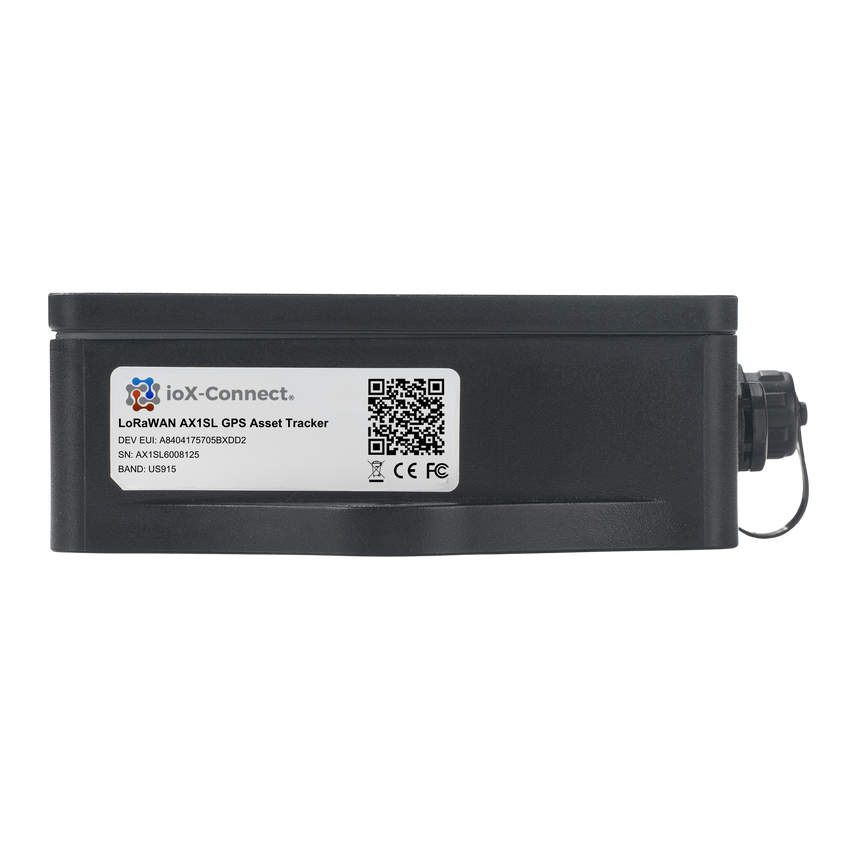
  • Trackers: LoRaWAN trackers—from basic Bluetooth tag-style models to advanced GPS-enabled solutions—generally start around $25 for entry-level devices and can reach up to $110 or more for GPS units with solar charging or ruggedized features. Contact us if you're interested in tracking devices.
  • Sensors: Devices for monitoring temperature, humidity, air quality, and similar environmental factors usually range between $30 and $390, depending on the type (single-purpose or multi-sensor), features (like CO2 detection or high precision), and application (home, commercial, industrial, or agricultural).
  • Bridges: For integrating legacy systems or industrial protocols (such as RS485, Modbus, or analog input) with LoRaWAN, bridges typically cost in the $39 to $110 range, reflecting their robust build and connectivity options.
  • Buttons: LoRaWAN-enabled buttons, designed for simple triggers or event notifications, are commonly priced from about $39 to $45.

These figures give you a basic range for each category, but actual pricing can vary by specifications, bulk purchasing, and supplier. If you need support choosing devices or want a curated quote, our team can help you find the right fit for your application and budget. Simply reach out to us at: sales@iox-connect.com 

LoRaWAN® Tracker Devices

Seamlessly monitor assets, vehicles, and personnel wherever your operations take you. ioX-Connect can integrate with a wide selection of LoRaWAN® trackers. Contact us for more details.

  • Sticker Trackers
    Ultra-compact, battery-powered asset trackers built for effortless deployment on containers, equipment, or inventory. Enjoy extensive coverage and years-long battery life—ideal for indoor and outdoor applications.
    Typical pricing: $14–$24 per unit.

  • GNSS-Enabled Trackers
    High-precision GPS trackers with rapid location acquisition, ruggedized housings, and low-power LoRaWAN connectivity. Ideal for fleet management, outdoor asset tracking, and mobile workforce visibility.
    Typical pricing: $94–$108 per device.

  • Advanced GPS Trackers
    Versatile trackers combining LoRaWAN with GPS technologies to provide detailed real-time movement and geofencing alerts. Perfect for sensitive shipments, livestock, or distributed assets.
    Typical pricing: $59–$109 per tracker.

  • Solar-Powered Tracking Kits
    All-in-one GPS tracking solutions featuring solar panels for extended autonomy in field deployments. Designed to reduce maintenance and ensure consistent reporting for remote or off-grid assets.
    Typical pricing: $73–$87 per kit.

Whether you need scalable sticker sensors for inventory management or robust GPS traceability for valuable equipment, the ioX-Connect platform can integrate with nearly all of these for live monitoring, reporting, and customizable thresholds—no technical expertise required, our team will handle all of that for you. 

LoRaWAN® Bridges: Flexible Protocol Conversions for Seamless Integration

Need to connect existing hardware to your wireless IoT landscape? Our range of LoRaWAN bridges has you covered, enabling effortless integration between legacy protocols and modern wireless networks—without the headaches.

Supported Bridge Types & Interfaces

  • RS485/Modbus to LoRaWAN Bridges
    Quickly bring traditional Modbus and RS485-enabled devices online with wireless access, perfect for robust industrial environments.

  • Analog Input Bridges
    (4-20mA / 0-5V to LoRaWAN)

    Integrate analog sensors or instrumentation—such as those using industry-standard 4-20mA or 0-5V signals—into your LoRaWAN deployments. Ideal for monitoring legacy industrial equipment or environmental data feeds.

  • Multi-Function I/O Bridges
    Enable digital input (DI) and digital output (DO) signal transmission, offering flexible control and monitoring for building management, security, or automation scenarios.

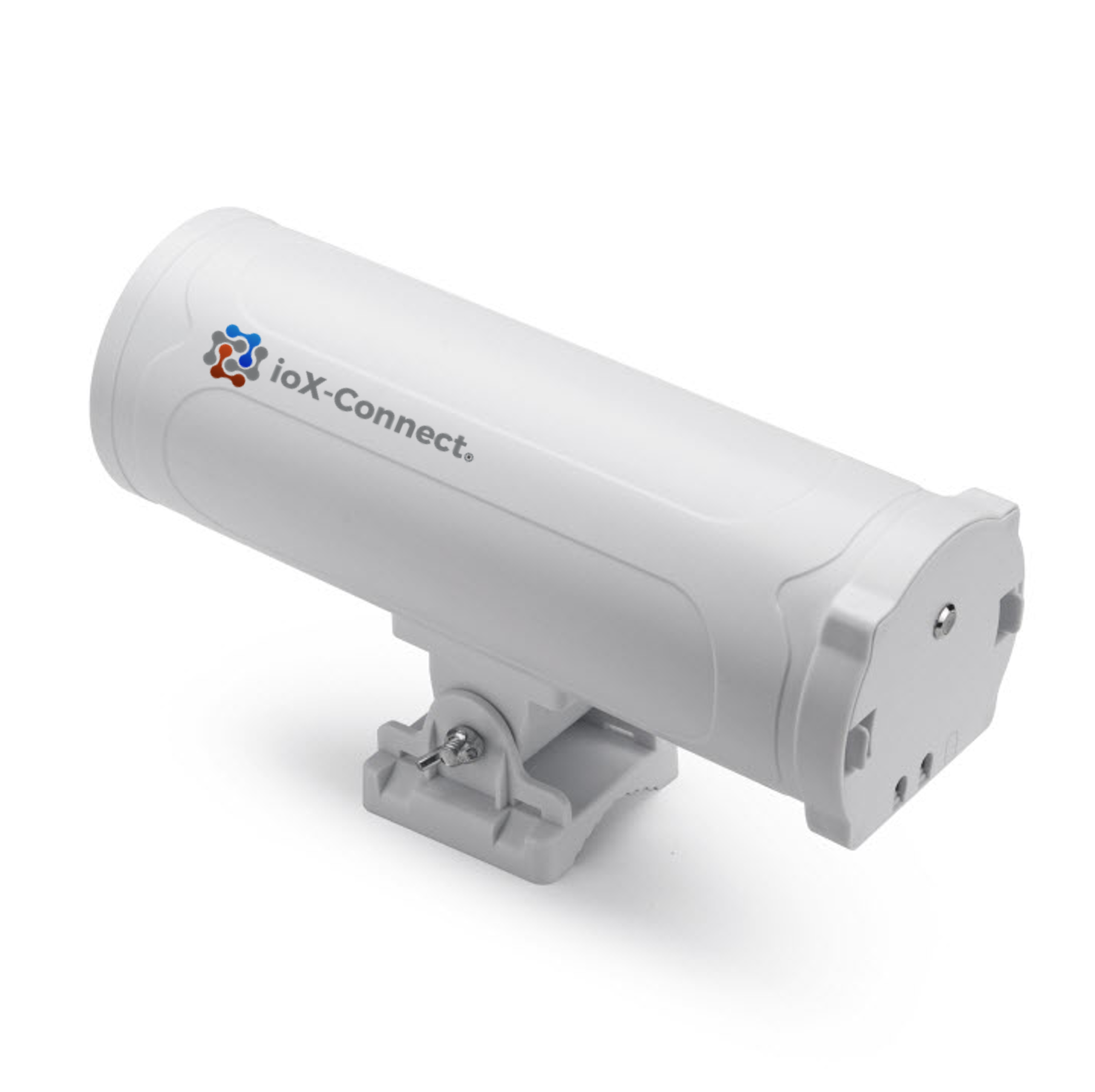
  • Outdoor Ready Solutions
    Weather-resistant options are available for remote field installations, supporting RS485/Modbus devices in challenging or exposed environments.

All bridges are plug-and-play with the ioX-Connect platform for a unified deployment experience, complete with secure data transmission and seamless device management.

Unlock the ability to modernize your infrastructure—without replacing what already works.

For seamless integration with industrial and building automation systems, LoRaWAN bridges support a range of common interfaces, including RS-485 for Modbus communication, digital inputs (DI) to capture triggers or alarms, and digital outputs (DO) to activate relays, switches, or external systems. This flexibility means you can easily connect LoRaWAN sensors and gateways to PLCs, HVAC controls, metering systems, or legacy automation equipment—modernizing your operations without costly infrastructure overhauls.

Most LoRaWAN bridges are designed with broad compatibility in mind, so whether you’re outfitting a factory floor, a commercial property, or a smart campus, these bridges serve as the link between wireless sensor data and existing automation networks. If you have a specialized protocol or setup, our team can help determine the best hardware options, ensuring integration is as smooth and future-proof as possible.

Ready to Deploy?

Our Products and Services

Tell us what you need to monitor and where. An IoT specialist will match the sensors, gateway and plan to your site, or you can order online and be reporting into ioX-Pulse the day the hardware arrives.

Contact Us

Our customer service representative helps you to understand what we offer for your business goals.